The Seven Terminologies of Steward Leadership [Matthew 25:14-30]
Share This Blog Post On:














Facing unseen challenges in your leadership role? We equip you with proven principles and practical strategies to lead boldly against daily obstacles. Join us for insights on effective leadership and strength for your growth journey. Click here to step up and lead with impact, one principle at a time!
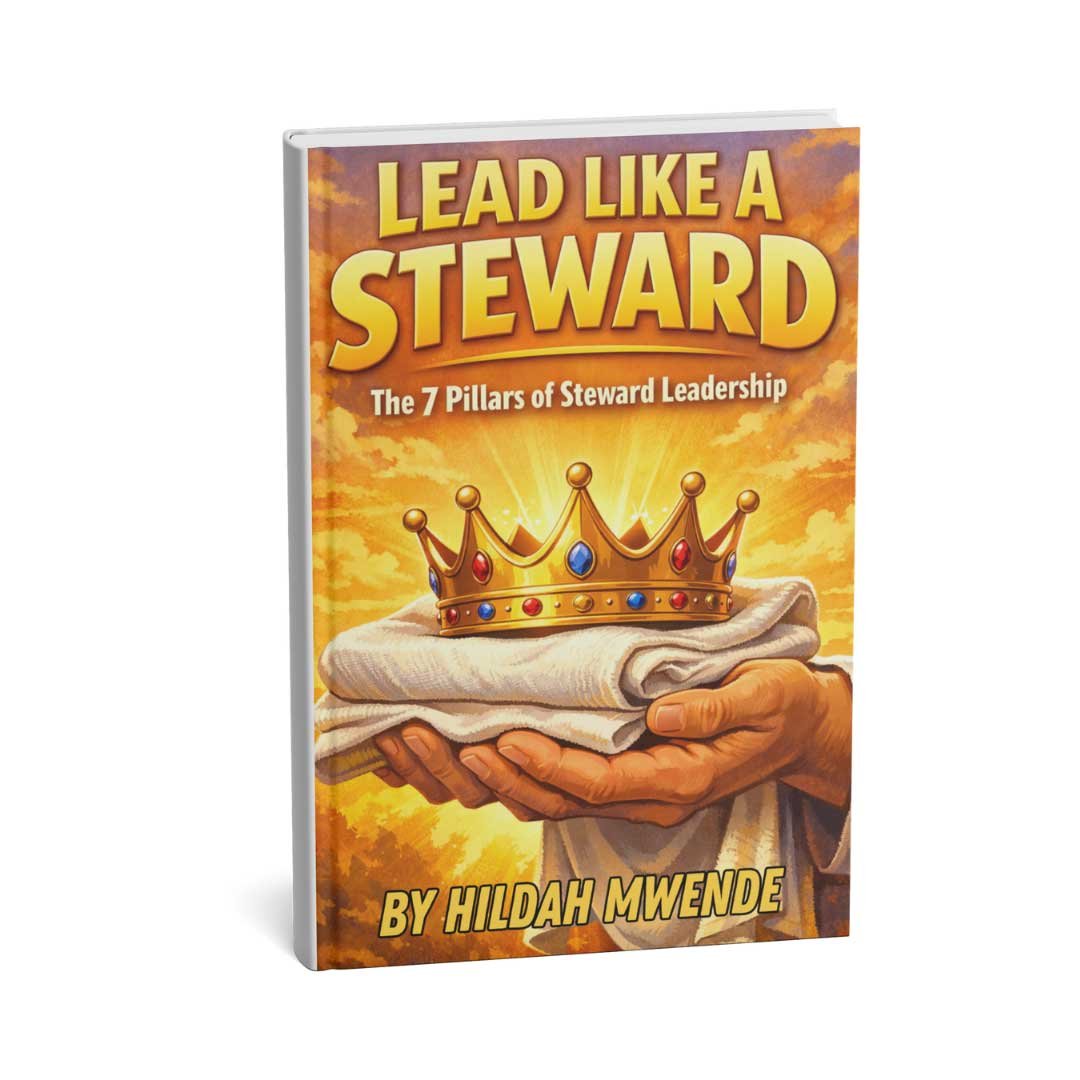
Jesus taught many lessons on stewardship, as explored in LEAD LIKE A STEWARD: The 7 Pillars of Steward Leadership. For example, in Luke 16:10, He emphasized that our faithfulness in handling small responsibilities demonstrates our capacity for greater responsibilities and blessings. Using the parable of the talents in Matthew 25:14-30, this post explores the 7 terminologies to teach the qualities of a good steward that Jesus spoke about.
#1 – Servants
“For the kingdom of heaven is as a man traveling into a far country, who called his SERVANTS, and delivered unto them his goods.” [Matthew 25:14]
God is the ultimate owner of all earthly resources, and He has given people stewardship over them, according to Psalms 24:1 and 115:16.
With humility, stewards accept their subservient position by identifying as servants and acknowledging the authority of the Master.
#2 – Several Abilities
“And unto one he gave five talents, to another two, and another one; to every man according to his SEVERAL ABILITY; and straightway took his journey.” [Matthew 25:15]
The Master gave different amounts of talents to each servant based on their abilities.
Similarly, God gives us tasks and resources according to what we’re capable of. God doesn’t give us more than we can handle, and He doesn’t give us less than what we’re capable of managing.
This personalized approach to stewardship highlights the importance of talent management, which is the process of identifying, developing, and strategically deploying talents to impact and advance God’s kingdom.
#3 – Traded
“Then he that had received the five talents went and TRADED with the same and made them other five talents. And likewise, he that had received two, he also gained other two.” [Matthew 25:16-17]
Two of the servants aggressively traded their talents to generate extra value.
They actively looked for methods to increase the resources rather than just passively protecting what was given to them.
This proactive strategy is in line with Genesis 1:28, where man was granted the blessing to bear fruit through pioneering new ideas, taking calculated risks, and fostering a culture of creativity and innovation.
#4 – Earth
“But he that had received one went and digged in the EARTH, and hid his lord’s money.” [Matthew 25:16-17]
“Dug in the earth” signifies that the lazy servant opted to invest in his purposes and those of the world rather than those of his Master and His kingdom.
Similarly, as Christians, we often fall into the same trap when we focus solely on material success, comfort, and personal achievements, and we neglect the higher calling to serve God and advance His kingdom.
There is no idle servant in a master’s house—even the smallest, most insignificant gifts matter.
#5 – Reckoneth
“After a long time the lord of those servants cometh, and RECKONETH with them.” [Matthew 25:19]
“Reckoneth” means to settle accounts or to assess the actions and performance of the servants in relation to the tasks they were given.
The Master in the parable is returned after some time to evaluate how the servants had managed the talents entrusted to them.
To us Christians, this signifies a time of judgment or assessment when each one of us will be called to give an account of our faithfulness and diligence in carrying out our assigned responsibilities [2 Corinthians 5:10].
This awareness prompts stewards to approach their tasks with integrity, prudence, and foresight, mindful of the eventual evaluation of their actions.
#6 – Ruler
“His lord said unto him, Well done, thou good and faithful servant: thou hast been faithful over a few things, I will make thee RULER over many things: enter thou into the joy of thy lord.” [Matthew 25:21]
The Master commended his servant for faithfully managing a few things and promised to elevate him to a position of rulership over many things.
Just as the faithful servant was rewarded with increased authority and influence, we, too, can expect God to elevate us to positions of greater influence and impact as we demonstrate faithfulness in stewardship.
Being a ruler involves a readiness to embrace greater challenges and take on increased responsibilities.
Therefore, rather than viewing resources solely as blessings for personal enjoyment, we’re called to recognize them as instruments for advancing God’s purposes and expanding His kingdom on Earth.
#7 – Usury
“Thou oughtest therefore to have put my money to the exchangers, and then at my coming I should have received mine own with USURY” [Matthew 25:27]
Usury is profit. The Master expects his servants to generate profit from the resources entrusted to them.
While worldly measures of profit often focus on material wealth and personal gain, Jesus exemplified the ultimate profit—bringing lost souls into the fold of God’s family.
Therefore, eternal profit goes beyond financial gain to encompass spiritual transformation and eternal impact.
Continue Reading More On Christian Leadership In The Guides Below:
|